Solo Rust or clan Rust which is better for a returning player and why the solo menace route wins
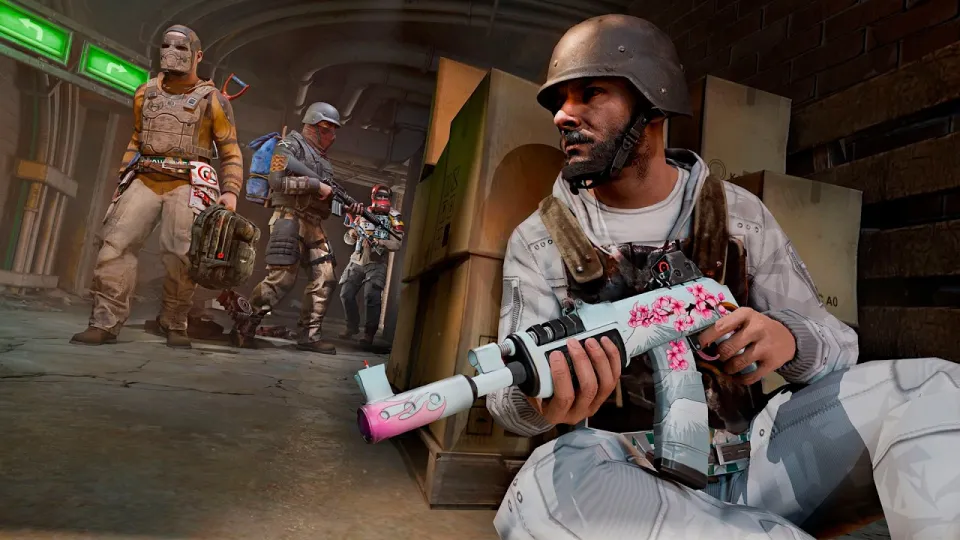
Video: THE SOLO MENACE – Rust
Want articles like this for your own video to promote it on YouTube and Google? Order them through the Telegram bot @sat_sit_bot. The bot writes and publishes the articles itself (with your YouTube video embedded) on popular topical websites (no ads). Your first 50 articles are free.
· based on the channel SPiiCY
Solo Rust is the better option when you value control, stealth and cheap progression, while clan Rust is better when you want fast wipe-day momentum and can trade personal time for group manpower. A solo player wins by staying small, farming quietly and choosing fights, not by matching a zerg in a straight-up fight. The solo route also pairs well with outside tools: the RustEasy bonus page gives solo players extra utility on top of the base game.
Why solo Rust is a different game from clan Rust
Solo Rust compresses every decision: a solo player cannot absorb a lost fight the way a group can, so base location, loot storage and roam timing matter more than raw aim. A clan of eight can lose three kits and keep raiding; a solo player who loses one kit has to rebuild from scratch, which is why experienced solo players treat every roam as a calculated risk. The trade-off is speed of progression: a clan can farm a full wipe-day base in a few hours, while a solo player needs several sessions to reach the same tech level.
How a solo player survives a wipe against zergs
The core rule of solo Rust is to never present a target worth raiding; small, layered and cheap bases survive because the payoff does not justify the explosives. Practical steps that work on high-population servers:
- Build away from monuments and roads that zergs patrol, ideally in a quiet corner with a short run to a recycler.
- Split loot: keep a small starter base for crafting and a hidden bunker for sulfur, components and guns.
- Use a compact base design with multiple doors, false rooms and a jump-up or bunker loot room so a raider burns more explosives than the loot is worth.
- Farm sulfur in short, low-traffic windows and never carry more than one raid's worth at a time.
- Log off with kits spread across containers so a single raid cannot reset the whole wipe.
Base design is the single biggest solo advantage, and it is the reason base-building tutorials remain the most requested content around solo creators.
Revenge raids and raid defence as the solo equaliser
A revenge raid is the moment a solo player can beat a group: the aggressor has already spent explosives, is carrying loot and rarely expects a counter-raid within the hour. The sequence that works is simple: note the raider's name and base direction, farm quietly for a small rocket or satchel raid, then hit the weakest wall while the group is offline or distracted. Raid defence is the mirror image, and it is where solo players lose wipes: keep a defensive kit in the bunker, use turrets and traps on the approach, and log in to the sound of explosions rather than the aftermath.
Typical questions from solo players answered
Solo players ask the same things after every wipe: how to keep a base alive, how to find fights on a 600-population server, and whether a small base design can actually stop a raid. On crowded servers most players sit inside bases or run monuments in groups, so roams feel empty until you learn the traffic patterns around monuments, cargo and oil rig. A small base does not stop a determined group, but it does change the maths: when a raid costs more sulfur than the loot is worth, most groups move on. The other frequent question is performance, because solo fights are decided in the first second; the FPS tool linked in the description, Hypertune, is marketed as a way to raise frame rates, and viewers report large gains on weaker hardware.
Tools, bonuses and support links for solo Rust
Solo Rust is easier with the right supporting tools, and the creator's links cover utilities, performance and base design. All links from the video:
- RustEasy bonus and registration — server and gameplay utilities with a bonus for new users.
- Hypertune FPS tool — frame-rate optimisation for smoother PvP.
- SPiiCY Patreon membership — base design tutorials and more.
- SPiiCY Patreon join page — alternative membership entry point.
- SPiiCY Discord — community, server talk and questions.
What the solo menace video shows about solo progression
SPiiCY's solo gameplay video, published on 24 August 2026, follows a full solo arc rather than a highlight reel: early progression, base building, PvP roams and a raid defence. The title frames the run as a menace, and the structure matches how solo Rust actually plays out — long quiet farming stretches interrupted by short, decisive fights and one big defensive moment. Viewers responded most to the solo format itself, asking for more solo content and for a breakdown of the base build shown in the run. If you want the same base, the tutorial is behind the Patreon membership linked above.
Final verdict on solo versus clan Rust
Solo Rust is the better choice for players who want ownership of every decision and do not mind slower progression, while clan Rust suits anyone who wants wipe-day speed and can commit to group schedules. The solo route rewards base design, patience and revenge raids over raw numbers, and it is the format that produces the most memorable stories. SPiiCY's solo breakdown is a clear example of how far a single player can push a wipe with the right base and the right timing. Start with the RustEasy bonus page to set up your tools, then build small, farm quietly and take the fights you choose.
Key takeaways
- Solo Rust trades group numbers for stealth, cheaper bases and faster decision-making; clans trade time for manpower and faster progression.
- A solo base should be small, cheap to upkeep and layered, with a separate loot bunker so one raid does not end the wipe.
- Revenge raids are the main solo equaliser: a solo player can farm sulfur quietly and hit a clan's weakest base while the group is offline.
- SPiiCY's solo gameplay video was published on 24 August 2026 and is built around solo progression, PvP roams and raid defence.
- Tools promoted alongside the video include RustEasy for server and loot utilities and Hypertune for FPS gains of up to double in some setups.
Source: THE SOLO MENACE – Rust · Markdown version
Questions & answers
Is solo Rust actually viable against clans and zergs?
Yes, but not by fighting fair. Solo players stay viable by keeping bases small and cheap, splitting loot across a bunker, and using revenge raids against groups that have already spent explosives. The goal is to make raiding you unprofitable, not to win every fight.
Why do high-population Rust servers feel empty when roaming?
On servers with several hundred players, most people are inside bases, farming monuments in groups or queueing for events, so open-field roams produce few encounters. Learning traffic patterns around monuments, cargo ships and oil rig gives far more fights than running random roads.
How much does FPS matter in solo Rust PvP?
Frame rate decides the first shot in most solo fights, so stutter and low FPS cost kits. Tools like Hypertune are promoted as a way to raise frame rates, and some viewers report close to double their previous FPS, though results depend on hardware.
Can a small solo base survive a raid from a large group?
A small base will not stop a determined group, but layered doors, false rooms and a hidden bunker raise the sulfur cost above the loot value. Most groups abandon a raid when the maths stops working, which is the real defence.